
A Men’s Guide to Motorcycle Safety
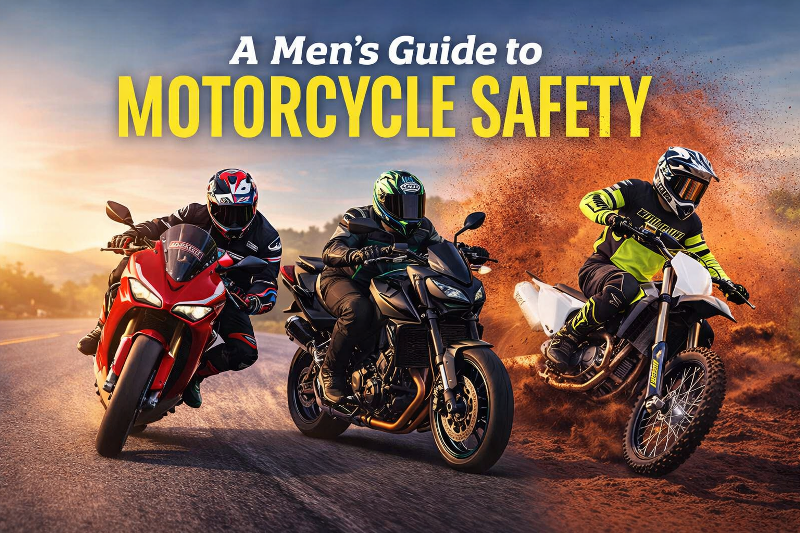
For many riders, motorcycle safety begins with the basics: a quality helmet, protective gloves, a solid jacket, and proper boots. Those essentials matter, and they always will. But the most dependable riders know that safety is built on more than gear alone. It also comes from preparation, bike condition, visibility, and the ability to stay calm and deliberate on the road.
That is what makes motorcycle safety such an important subject. It is not only about responding well when something unexpected happens. It is also about creating the kind of ride that is less likely to go wrong in the first place. Strong riding habits usually begin before the motorcycle is even moving.
For riders who are still learning what exactly are motorcycle fairings , it helps to understand them as part of the bike’s overall road-ready condition rather than as styling pieces alone. Fairings influence how complete the motorcycle feels, how securely bodywork sits at speed, and how well the bike comes together as one finished machine. Safety is much broader than bodywork, but riders usually make better decisions when they learn to look at the motorcycle as a whole.
Why Motorcycle Safety Starts Before the Ride
Experienced riders often treat safety as a routine, not as an afterthought. Before the engine starts, they are already paying attention to the motorcycle, the road ahead, and their own readiness. That mindset creates a calmer, more controlled ride from the beginning.
A short pre-ride check can make a real difference. Tires, lights, mirrors, brakes, controls, and any loose or poorly fitted parts all deserve attention. None of these checks is complicated, but together they help build confidence that is based on preparation rather than assumption.
This is one of the clearest signs of mature riding. Safe riding is not only about what happens at speed. It is also about what a rider notices early, before a small issue has a chance to become a distracting one.
What Prepared Riders Check First
Prepared riders tend to focus on the same fundamentals because those basics shape everything that follows. Tire condition and pressure matter because grip and stability begin there. Lights and signals matter because visibility is part of every safe interaction with traffic. Mirrors matter because awareness depends on what the rider can monitor clearly and quickly.
Bodywork condition also belongs in that conversation. A motorcycle that feels tight, properly fitted, and road-ready usually gives the rider a better platform for good decisions. When panels are loose, cracked, or no longer sitting the way they should, riders often start comparing repair shops, OEM parts, and motorcycle fairing replacement options to restore the bike properly. That kind of attention is not only about appearance. It is also part of maintaining a motorcycle that feels complete and dependable on the road.
Why Visibility Deserves More Attention
Protective gear is important, but visibility deserves just as much respect. Safe riders do not only think about what they can see. They also think about how clearly other road users can read their position, speed, and intention.
That means using lights properly, choosing lane position with purpose, and avoiding situations where the bike disappears into blind spots for longer than necessary. It also means understanding that visibility changes throughout the ride. Traffic flow, weather, time of day, and road layout can all affect how easily a rider is noticed.
The riders who handle this well usually give themselves more time and more space. That extra margin often matters more than people realize.
How Bike Condition Supports Safer Riding
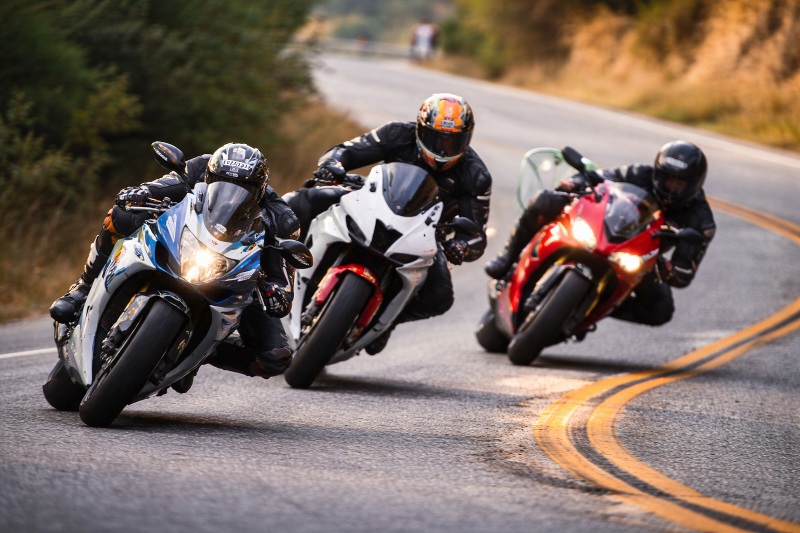
A well-prepared motorcycle supports smoother decisions. When the bike feels predictable, properly maintained, and secure, the rider can focus more fully on the road. That does not mean every ride has to begin with a long inspection. It means the rider develops the habit of noticing when something feels different and responding early.
Loose parts, fading lights, worn controls, and neglected details can all reduce confidence in subtle ways. On their own, they may not seem dramatic. But over time, they can affect how settled the motorcycle feels, especially in changing road conditions. Riders who stay ahead of these details usually create a safer and more comfortable riding experience for themselves.
Why Real Confidence Includes Margin
Confident riding is a strength when it stays connected to awareness. The best riders are not tense, hesitant, or uncertain all the time. In fact, many of them look smooth and relaxed. What sets them apart is not recklessness or bravado. It is the ability to leave room for the unexpected.
They ride with margin. They give themselves space in traffic. They respect fatigue. They notice when weather or road conditions are changing. They do not assume that being skilled means pushing every situation harder. Real confidence on a motorcycle includes restraint, timing, and the ability to make measured decisions without rushing.
That kind of confidence usually comes from preparation, not from proving something.
A Simple Safety Routine Worth Repeating
A practical motorcycle safety routine does not need to be complicated. Before riding, it helps to take a moment and check a few essentials:
tire condition and pressure
headlights, brake lights, and signals
mirror position and rear visibility
brakes, throttle, and other controls
any loose, cracked, or poorly fitted parts
personal readiness, including focus and fatigue
These habits do more than catch obvious issues. They also help riders build consistency. Over time, that consistency becomes one of the most valuable safety tools a rider can have.
Final Thought
A men’s guide to motorcycle safety should be about more than reminders to wear a helmet and ride carefully. Those basics matter, but the stronger lesson is that safe riding is built through repeatable habits. Good gear, a well-prepared motorcycle, clear visibility, and steady judgment all work together.
The most dependable riders are usually the ones who prepare early, notice small changes, stay visible, and leave themselves room to respond well. In the long run, that kind of disciplined approach makes motorcycle safety feel less like a warning and more like a mark of real riding maturity.
About The Writer
I am a motorcycle enthusiast and writer with a strong interest in rider safety, motorcycle setup, and practical on-road decision-making. I create content that helps riders better understand bike condition, visibility, and the habits that support safer riding. I also follow motorcycle bodywork and fitment topics through my work with MrFairing.