
The Emotional Side of Recovery After an Accident That People Often Overlook
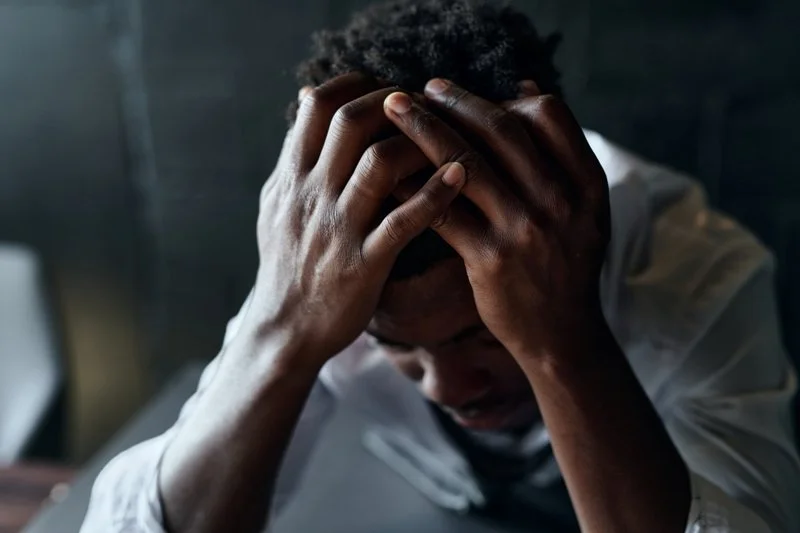
When people think about recovering from an accident, they usually focus on the physical injuries first. Broken bones, chronic pain, surgeries, and physical therapy are often the most visible parts of the healing process. But for many accident survivors, the emotional and psychological effects can last just as long (and sometimes even longer) than the physical injuries themselves.
A serious accident can change a person’s daily life in an instant. Even after the visible injuries begin to heal, many people continue struggling with anxiety, stress, sleep problems, or fear about returning to normal activities. These emotional effects are incredibly common, yet they are often overlooked during recovery.
Why Emotional Trauma Happens After an Accident
Experiencing an accident can be deeply unsettling. In many cases, people are forced into a situation where they suddenly lose their sense of control and safety. The brain can continue responding to that event long after the immediate danger has passed.
Some common emotional responses after an accident include:
Anxiety while driving or traveling
Difficulty sleeping or frequent nightmares
Mood swings or irritability
Trouble concentrating at work or school
Fear of reinjury
Social withdrawal
Depression or hopelessness
For some individuals, these symptoms gradually improve over time. For others, they may become more serious and interfere with daily life.
The Connection Between Physical Pain and Mental Health
Physical pain and emotional health are closely connected. Chronic pain can increase stress levels, disrupt sleep, and make everyday tasks feel overwhelming. At the same time, emotional distress can actually intensify the perception of physical pain. This cycle can make recovery much more difficult. Someone dealing with ongoing pain may begin avoiding activities they once enjoyed, isolate themselves socially, or lose motivation during rehabilitation. Over time, these challenges can affect relationships, careers, and overall quality of life. Because of this, many healthcare professionals now encourage a more holistic approach to recovery that addresses both physical and emotional well-being.
What Are Some Signs That Someone May Need Additional Support?
It’s important to recognize when emotional struggles are becoming difficult to manage alone. Some warning signs may include:
Persistent anxiety or panic attacks
Ongoing feelings of sadness
Flashbacks related to the accident
Difficulty functioning at work or home
Avoiding normal daily activities
Increased use of alcohol or other unhealthy coping habits
Seeking support is not a sign of weakness. In fact, addressing emotional health early can often improve long-term recovery outcomes. If you're not sure where to start, the Men's Resources page has a curated list of support options.
Healthy Ways to Support Emotional Recovery: Every person heals differently, but there are several healthy strategies that may help support emotional recovery after an accident:
Talk to Someone You Trust: Friends, family members, support groups, or mental health professionals can provide valuable emotional support during recovery.
Focus on Small Daily Progress: Recovery can feel overwhelming when viewed all at once. Setting small, realistic goals each day can help rebuild confidence and motivation.
Maintain Healthy Routines: Simple habits like getting enough sleep, eating balanced meals, and staying physically active within medical limitations can positively affect mental well-being.
Be Patient With Yourself: Healing is rarely linear. Good days and bad days are both part of the process, and it’s important to allow yourself time to recover emotionally as well as physically.
Recovery Is More Than Physical Healing: The emotional effects of an accident are real, valid, and deserving of attention. While physical injuries may be easier for others to see, emotional recovery is just as important for rebuilding a healthy and fulfilling life afterward.
For those interested in learning more about how physical injuries and emotional trauma can affect daily life after an accident, this additional resource provides further insight: Ways Physical Pain Can Affect Your Life After an Accident
Author Bio:
Rob Tressman works in legal marketing and outreach with a focus on educational resources related to personal injury law, recovery, and community support. He regularly collaborates with law firms and publishers to help connect readers with informative content that addresses the real-life impact accidents can have on individuals and families.