Flowers That Symbolize Forgiveness: What They Mean and When to Use Them
Flowers have been part of the forgiveness conversation for a long time. Long before greeting cards, long before text messages, and long before anyone thought to write "I'm sorry" in a Facebook comment, people were handing each other flowers to say the things they couldn't quite say out loud.
I spent years working with flowers professionally, and one thing I can tell you is that the right flower at the right moment does something words alone rarely manage. It slows things down. It says you thought about it. And when you choose something that actually carries meaning rather than just grabbing whatever's in the front bucket, it says even more.
Here's what you need to know about flowers as an apology — the ones that have historically symbolized forgiveness, what they actually mean, and when each one makes sense.
Roses: The Forgiveness Standard
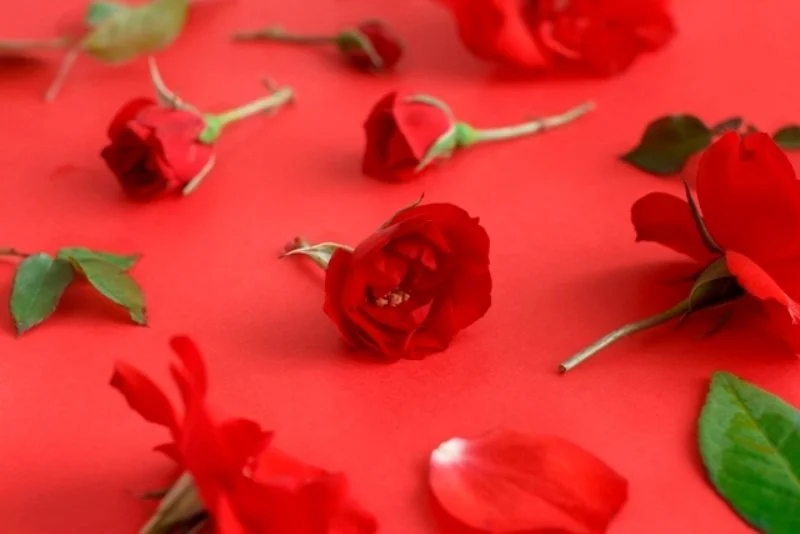
Let's start with the obvious one, because forgiveness roses deserve more than a passing mention.
White roses are the strongest choice when forgiveness is specifically what you're after. They've represented purity, sincerity, and new beginnings across cultures for centuries. A white rose doesn't carry romantic weight the way red does — it carries something quieter and more honest. It says "I want to start fresh" more clearly than almost any other flower you can choose.
Pink roses are warmer. They communicate affection and care, and they work well when the situation calls for something softer than the full weight of a white arrangement. If the relationship is still tender and you want the gesture to feel gentle rather than formal, pink is the right direction.
Red roses as a forgiveness flower are trickier. They work in committed romantic relationships where the love itself isn't in question — just the behavior. But they can read as an attempt to sidestep accountability with romance, which isn't always the message you want to send when a genuine apology is what's needed.
Hyacinth: Sincerity in Blue
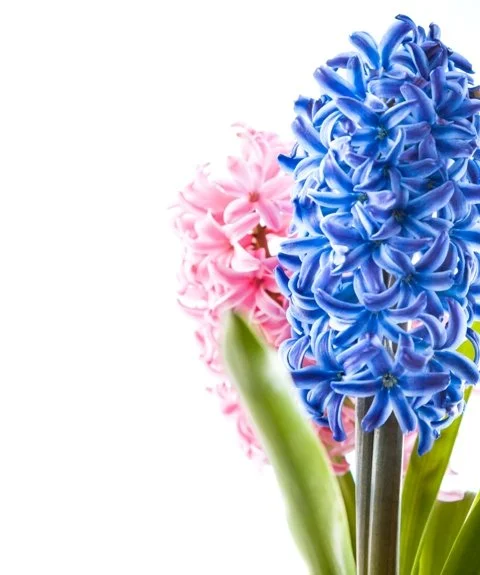
Blue hyacinths are one of the most historically significant forgiveness flowers and one of the most overlooked. Blue carries associations with calm, peace, and sincerity across almost every culture, and hyacinths have been connected to the mending of relationships for centuries. In the Victorian language of flowers, blue hyacinth specifically communicated a desire for peaceful reconciliation.
They're also striking enough to make an impression without being dramatic about it, which is exactly the right energy when you're trying to repair something rather than perform an apology.
Tulips: A Gentle Restart
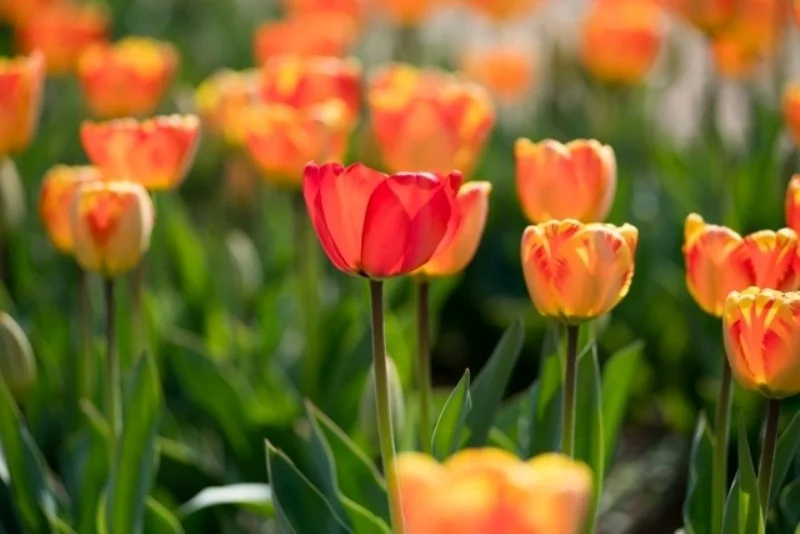
White tulips do much of what white roses do but with less ceremony. They're cheerful without being celebratory, sincere without being heavy. For situations where the offense was real but the relationship is fundamentally solid, white tulips say "I know I got this wrong and I want to make it right" without turning the whole thing into an event.
Pink tulips add warmth and are a particularly good choice when the apology is going to a friend rather than a romantic partner. They carry affection without romantic implication, which matters when you're navigating something more complicated than a straightforward "I'm sorry."
Peonies: Compassion and Good Faith
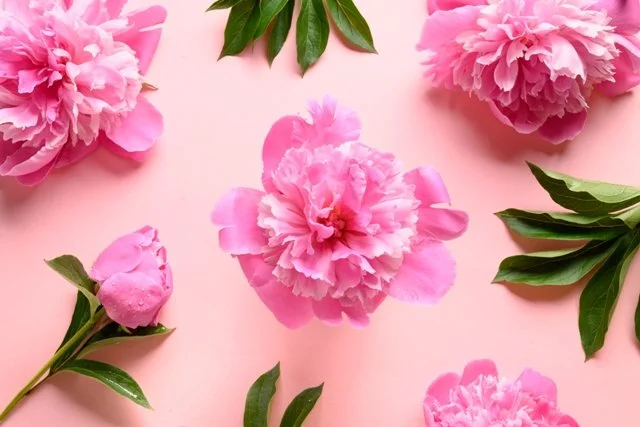
Peonies are associated with compassion, good fortune, and the genuine desire to make amends. They're also one of those flowers that almost everyone responds well to regardless of the situation, which makes them a reliable choice when you're not entirely sure what the other person needs from the gesture.
A full peony arrangement feels generous without being excessive. It communicates that you put real thought into this without going so far over the top that it looks like you're trying to buy your way out of something. For mid-to-serious situations where the relationship genuinely matters, peonies are one of the strongest flower for apology choices you can make.
Lilies: Fresh Start Energy
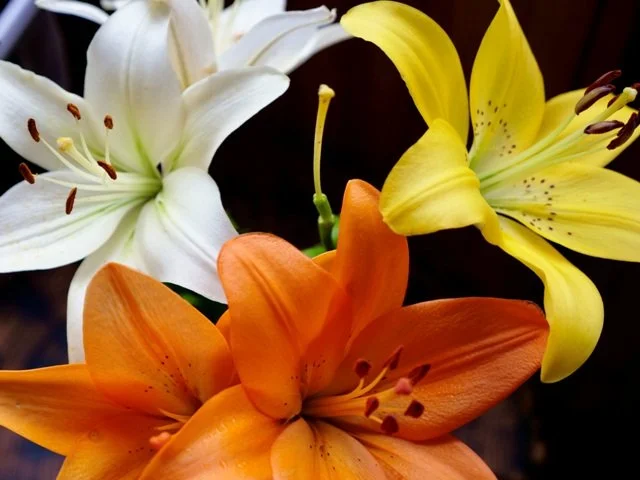
White lilies carry powerful associations with purity and new beginnings. They're one of the most universally understood symbols of sincerity across cultures and work across a wide range of situations — personal, professional, romantic, and otherwise.
One practical note worth repeating because I've seen it go wrong more than once: check for allergies before sending lilies. The pollen is a significant irritant for a lot of people. A gorgeous arrangement that triggers a reaction is not going to land the way you intended. If you're not certain, ask first or choose something else.
Carnations: Underrated and Underused
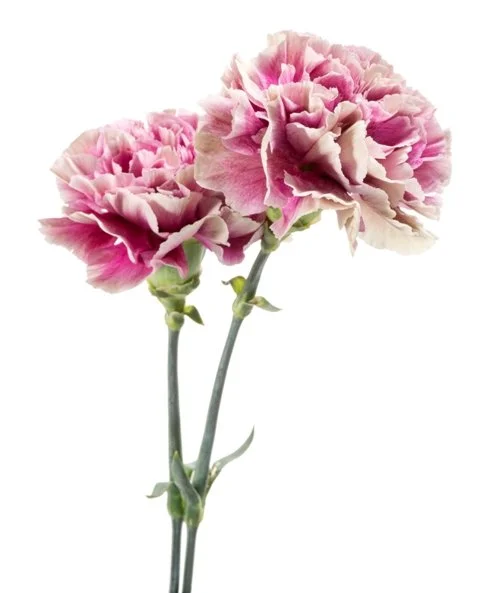
Pink carnations specifically carry meaning around love, admiration, and the desire to mend what's been broken. They've been used in forgiveness contexts for centuries and they're significantly more affordable than roses, which means you can put together a genuinely impressive arrangement without the price tag that sometimes makes a gesture feel calculated rather than sincere.
People dismiss carnations as cheap or old-fashioned. Those people haven't seen a well-arranged carnation bouquet. Done right, they're beautiful and they carry more meaning than most people realize.
Hydrangea: Empathy in Bloom
Hydrangeas are associated with heartfelt emotion, deep understanding, and gratitude — which makes them particularly well suited for apologies where you want to communicate that you genuinely understand why the other person is hurt, not just that you're sorry the situation happened.
A full hydrangea arrangement is also visually generous in a way that feels substantial and considered. If the situation calls for demonstrating empathy rather than just expressing remorse, hydrangeas carry that message better than almost anything else on this list.

Bluebells: Quiet Humility
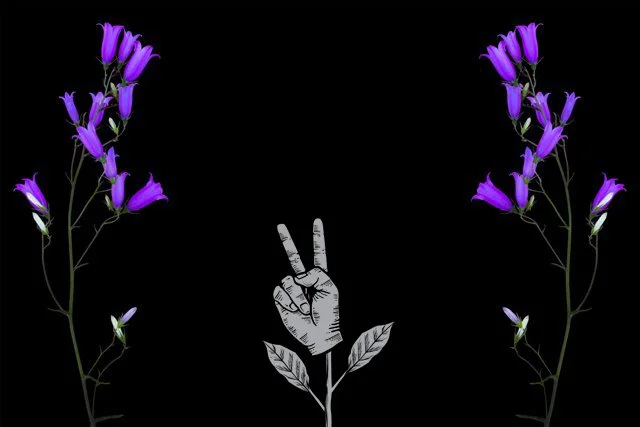
Bluebells are associated with humility and gratitude, two qualities that belong in any genuine apology. They're delicate in appearance and that delicacy sends a message of its own — that you're not coming in with ego or defensiveness, just a sincere desire to make things right.
They work particularly well as part of a mixed arrangement, adding softness and meaning to whatever other flowers you choose to pair them with.
Anemone: Healing Ahead
Anemones carry associations with healing and the anticipation of better things coming. They're a thoughtful choice when the apology is connected to something that caused real pain and you want to communicate not just remorse but hope — that you believe things can get better and you're committed to making that happen.
Their distinctive look, usually dark centered with delicate petals, also tends to make people stop and actually look at the arrangement rather than glancing at it and setting it aside.
Sweet Pea: Goodbye to Bitterness
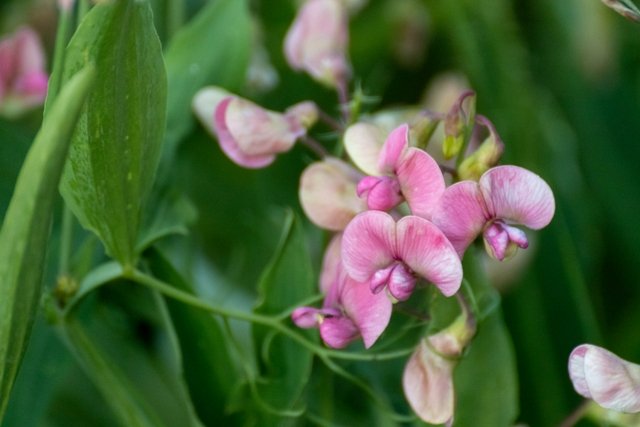
Sweet peas carry a meaning that's particularly relevant in a forgiveness context — they're associated with departure, specifically the departure of negative feelings. Sending sweet peas says you hope the bitterness or hurt can leave the room, that you're ready to move forward if they are. They're fragrant, soft, and genuinely lovely, and they work well in arrangements that are meant to feel like a fresh breeze rather than a formal statement.
Jasmine: Warmth and Reconciliation
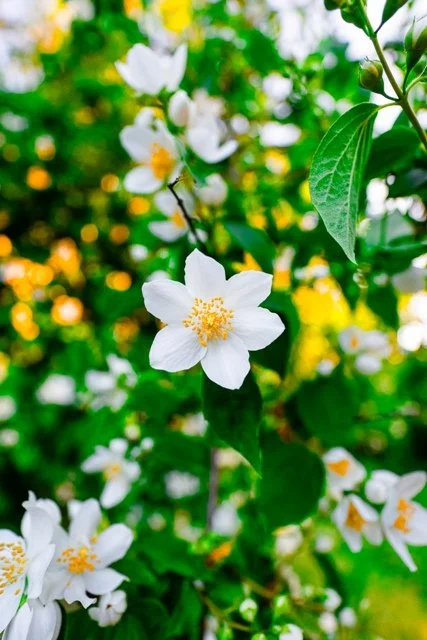
Jasmine has been associated with love, warmth, and the healing of relationships across multiple cultures for centuries. It's fragrant in a way that's immediately welcoming, which matters more than people give it credit for. The sensory experience of receiving flowers is part of what makes the gesture work, and jasmine brings something to that experience that purely visual flowers can't.

A Word on Choosing
The most important thing I can tell you after years of working with flowers is this: the best apology flower is the one chosen with the specific person in mind, not the one chosen because it seemed like the right general option.
If you know she loves peonies, send peonies. If you know he's allergic to lilies, keep lilies out of it entirely. If their favorite color is yellow but yellow roses mean friendship, find yellow in another flower. The gesture that says "I know you" will always outperform the gesture that says "I looked up what to send."
Forgiveness takes time and flowers don't shortcut that process. But the right ones, chosen thoughtfully and sent at the right moment, open a door that's worth opening. Hopefully you won’t need flowers that symbolize regret.

About the Author:

Rose has been surrounded by flowers her entire life — and yes, that's her real name, which tells you everything you need to know about how this all turned out. She spent the better part of the 1990s running her own flower shop, which means she's forgotten more about flowers than most people will ever know. She writes about them the way she always worked with them — straight, practical, and with zero patience for fluff.