The Man's Guide to Apology Flowers (Because Not All Screwups Are Created Equal)
Flowers have been the universal language of "I messed up" for centuries. And for good reason…they work. But walk into a florist without a clue and you'll walk out with something generic, overpriced, and completely wrong for the situation. There's actually some strategy here, and getting it right is the difference between sleeping in your own bed tonight and explaining yourself for another three days.
Here's what you need to know.
Why Flowers Work (The Short Version)
Humans have been assigning meaning to flowers since ancient Greece, Rome, and Egypt. Romans used roses to symbolize love and secrecy. The Victorians turned it into an entire language…"floriography"…where specific flowers sent specific messages, and receiving the wrong bouquet was a genuine social event. That tradition stuck, and most of it still holds up today.
The reason flowers work as an apology isn't mystical…it's psychological. A physical gesture says you did something intentional. You thought about it, you went somewhere, you spent money, you showed up with something in your hands. That effort communicates more than a text ever could. The flowers are the proof that you took the situation seriously.
What Different Flowers Actually Mean
Not all flowers say the same thing, and sending the wrong one can make things worse. A quick primer:
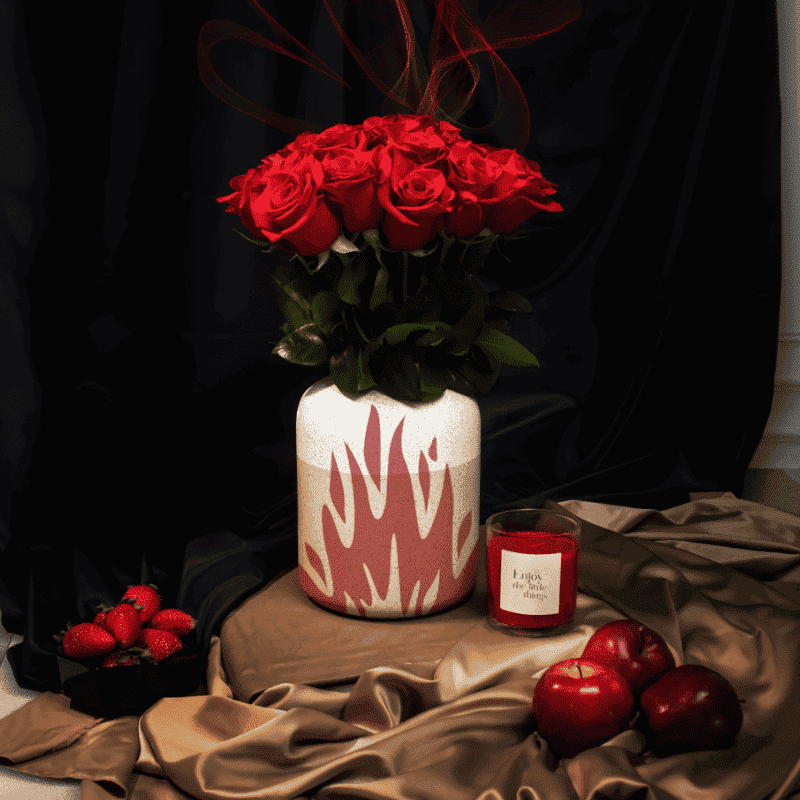
Red roses are the classic — passionate, romantic, serious. They say "I love you and I know I blew it." Best for significant screwups in committed relationships. Don't send red roses after a minor argument unless you want to accidentally escalate things.
Pink roses are softer. They communicate care and affection without the full dramatic weight of red. Good for mid-level offenses where the emotional temperature is still running warm.
White roses signal sincerity and a fresh start. If your message is genuinely "I want to make this right and move forward," white works well.
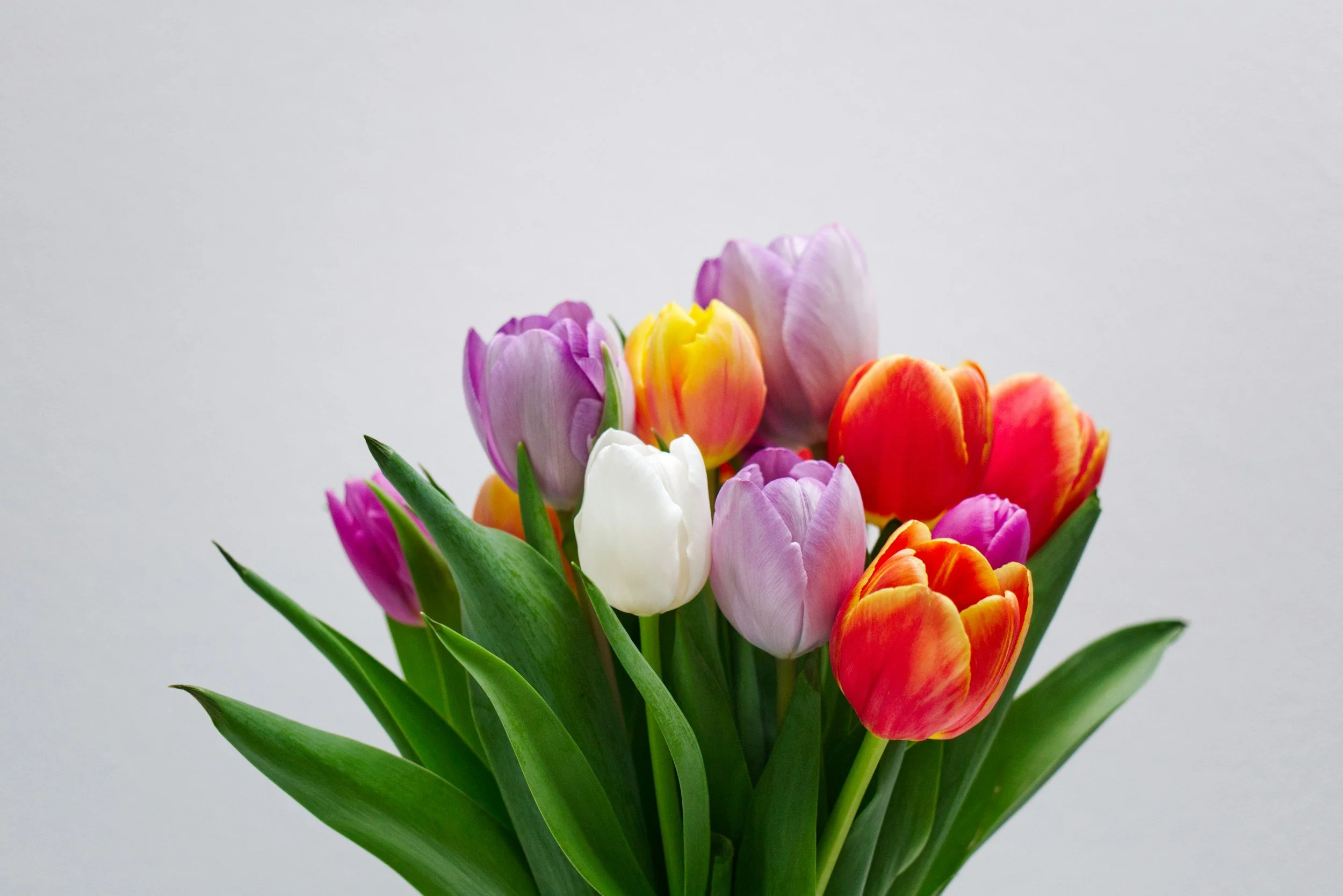
Tulips — cheerful, genuine, and less loaded with romantic expectation than apology roses. Great for lighter situations or when the relationship is newer.
Lilies — elegant and meaningful, often associated with devotion and commitment. A solid choice if you want something that feels substantial without going full red rose.
Sunflowers — warm, positive, and hard to stay mad at. Better for lighter screwups or when you want to bring some energy back into the room.
Carnations — underrated. Pink carnations specifically carry meaning around love and admiration and won't break the bank.
What to avoid: yellow roses mean friendship. Unless you're apologizing to a friend, skip them. And anything wilted, sparse, or from a gas station — you know why.
What Doesn't Work
A single flower, unless the relationship is in very early stages, reads as low effort. A massive over-the-top arrangement when the offense was minor reads as either guilty overkill or someone who doesn't understand proportionality. Both create new problems.
Cheap cellophane wrap without a card. No note at all. Generic sentiment copied off a greeting card. Any of these will undercut whatever the flowers were trying to say.
The note matters almost as much as the flowers. One honest sentence about what you're actually sorry for — not a paragraph of justifications — is all you need. Keep it real and keep it short.
Here's the Most Important Advice in This Entire Article
Hopefully you’ve read this far. Hands down, the most important thing is to know what your partner actually likes (yeah, crazy, I know, but here we are).
Seriously…it’s not rocket science. If she's talked about loving tulips, BUY HER TUPLIPS. If she's mentioned that lilies give her a headache, don't send lilies…that would be bad, and you’ll dig yourself deeping into a hole. If she's told you she prefers plants over cut flowers because they last longer, buy her a plant.
This sounds obvious, but most guys default to "roses because that's what you do" without stopping for thirty seconds to think about the actual person they're apologizing to. The flowers that say the most aren't the most expensive or the most traditionally romantic — they're the ones that show you were paying attention. That detail alone does more work than any symbolism we've covered above. It shows that you’re listening…hopefully you were.
A generic dozen red roses says "I apologized." The right flowers say "I know you." One of those will do a better job at fixing things.
Maybe You Didn't Screw Up That Bad
Not every situation calls for flowers. Sometimes the offense was small, the tension is light, and what the moment actually needs is something a little more creative — something that opens a conversation rather than making a grand statement. Sites like Finds Worth Keeping curate objects selected for long-term use rather than short-term sentiment — the kind of thing that sticks around and means something, rather than wilting by Thursday. Worth a look if you need to think outside the flower aisle.
Getting the Timing Right
Don't wait too long. Flowers sent three days after the incident land differently than flowers sent the same day or the next morning. The sooner the gesture, the clearer the message that you actually feel bad, not that you eventually got around to it.
Delivery vs. in-person is a real question. Showing up with them yourself is more personal and harder to dismiss. Local flower delivery works if the situation is still tense and some physical distance is appropriate — or if you genuinely can't get there. Either way, make sure the card is right.
The Bottom Line
Flowers are a tool, not a solution. They open the door — what you do after that is still on you. But the right flowers, chosen with some actual thought, sent at the right time with a real note? That's a solid opening move. Hopefully you won’t need flowers that symbolize regret.
And if you paid attention to what she likes, even better. That's the part she'll actually remember.
Not sure what to send? Start with Roger's guide to I'm sorry flowers and work backwards from there.
Now….you know what you need to do, and we got ya covered. > STUFF TO BUY
For more apology reading, we wrote another piece on it…Why Apology Flowers Work
Author Bio:

Roger Fugmen is a writer, producer, stuntman and self-described relationship survivor based in the Northeast (USA). He's been giving unsolicited but usually correct-ish advice to friends for over 20 years and he’s been mastering the science of sarcasm for much longer then that. He created Apology Flowers because someone had to.