14 Flowers That Symbolize Regret (Because Sometimes "Sorry" Needs Backup)
By Roger Fugmen
Yup…you said the thing. Or did the thing. Or completely forgot the thing that apparently everyone on earth knew you were supposed to remember. And now you're ordering flowers, staring at all the choices like you're defusing a bomb, wondering which one says "I am genuinely sorry and also slightly terrified."
Good news: flowers have been carrying the emotional weight of male screw-ups since long before apology texts were invented. There's an entire language built around this. It's called floriography, and while you've probably never heard of it, you've been participating in it every time you showed up at the door with something wrapped in cellophane. Not sure what level of screw-up you're dealing with? The Screw-Up Calculator can help you figure out how bad the situation actually is before you pick a flower.
Here are 14 flowers that symbolize regret, what they actually mean, and when to deploy them.
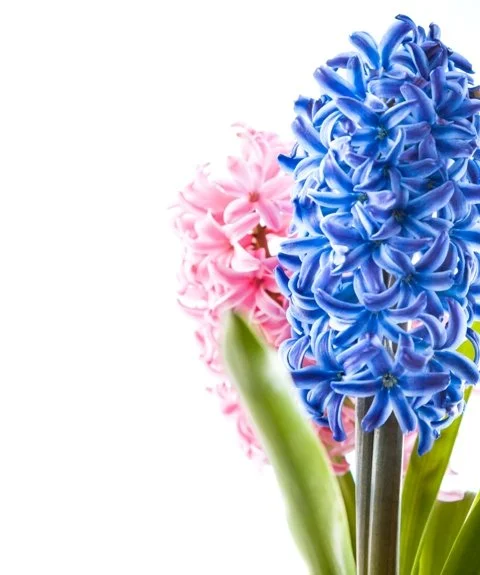
1. Purple Hyacinth
The undisputed heavyweight champion of regret flowers. Purple hyacinth has been the go-to flower for apology and sorrow since the ancient Greeks, who named it after a guy Apollo accidentally killed with a discus. The story doesn't get better from there, but the flower does. If you're looking for one bloom that says "I feel genuine remorse and I've had some time to think about what I did," purple hyacinth is it. It's fragrant, it's dramatic, and it has mythology behind it. Hard to argue with that combination.
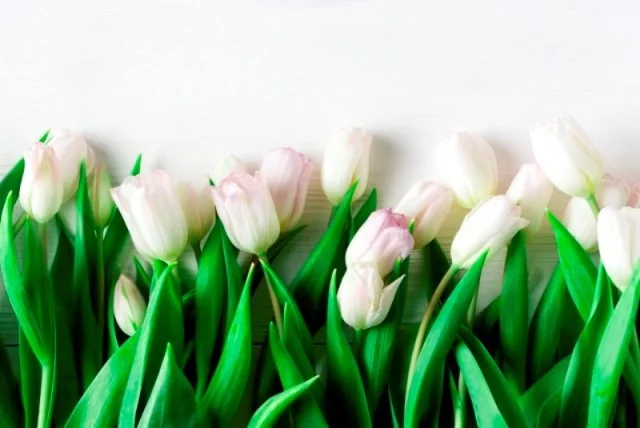
2. White Tulips
White tulips mean forgiveness, purity, and a fresh start. They're the "I want to do better" flower, which makes them one of the most useful apology flowers in existence. They don't overstate the case. They don't show up with the energy of a man who bought every rose in a three-mile radius. They just say, quietly and clearly, that you understand something went wrong and you'd like to try again. Best apology flowers for a close friend or for situations where you need to express regret without making the whole thing more dramatic than it already is. If you want to go deeper on which flowers work best for specific situations, the apology flowers guide has you covered.
3. Yellow Marigold
Marigolds have a complicated reputation. Bright, cheerful, looks like it should be at a birthday party. But in the language of flowers, marigolds carry grief and regret, particularly when it comes to loss or the acknowledgment that something can't be undone. They're a flower of mourning in several cultures, especially in Mexico, where they're used to honor the dead on Día de los Muertos. If your regret has that quality, the irreversible kind, marigolds are the honest choice.

4. Rue
You've heard the phrase "rue the day." This is where it comes from. Rue is a small herb with bluish-gray leaves and tiny yellow flowers, and it has been a symbol of regret and repentance for centuries. Shakespeare used it constantly. It's got a bitter taste and an unpleasant smell, which, poetically speaking, tracks. It's not the most practical gift, but if you want to communicate that you understand the weight of what happened, handing someone a sprig of rue sends a message that goes back about two thousand years. That's commitment.

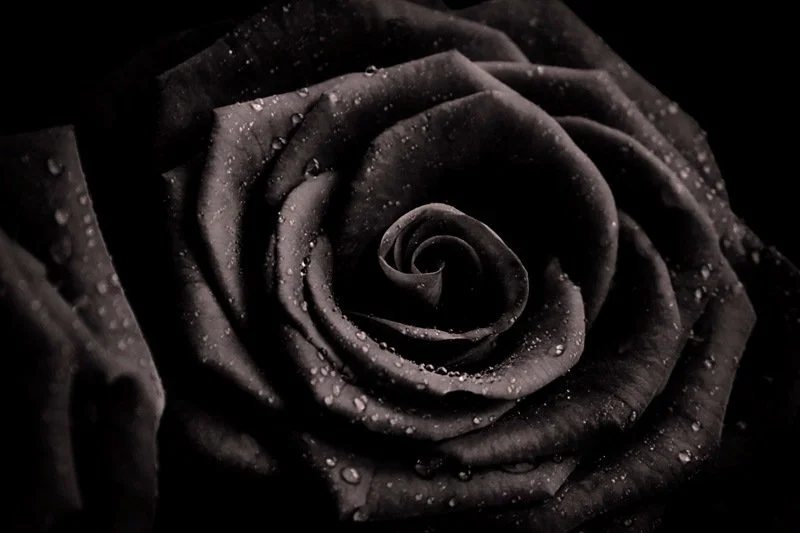
5. Black Rose
Not subtle. The black rose represents the end of something, mourning, and deep regret. It's for the big stuff. The kind of regret that keeps you up at 3am replaying a conversation you had four years ago. If the situation calls for a flower that says "I understand this may have changed things permanently and I carry that," the black rose is the only honest option. Use sparingly. Do not send these to apologize for forgetting to take out the trash.
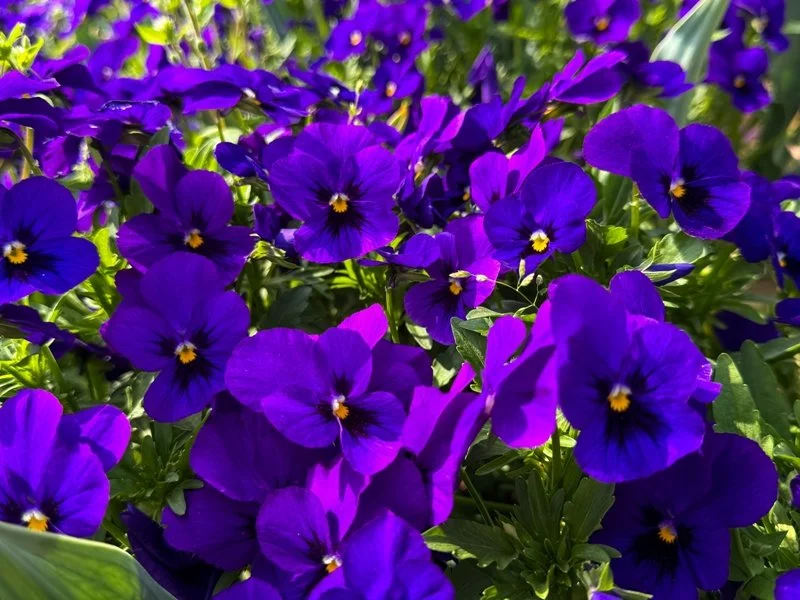
6. Pansy
The name comes from the French word "pensée," meaning thought or remembrance. Pansies are flowers of reflection, associated with the kind of regret that comes from looking back on something and wishing you'd handled it differently. They're small, delicate, and a little melancholy, which makes them surprisingly effective. A bouquet of pansies as apology flowers for a friend or someone you've lost touch with carries real meaning if you know the history. Most people don't, which means you can explain it, which means you have something to say beyond "I'm sorry."
7. Blue Columbine
Associated with forsaken love and sorrow, blue columbine is the flower for regret with a romantic edge. If you hurt someone you cared about and you know it, blue columbine says that with a specificity that generic apology roses don't quite reach. The mythology behind it involves Aphrodite and a dead lover, so the emotional register is appropriately serious. It's also not a flower most people give, which means the effort of finding it is itself a message.

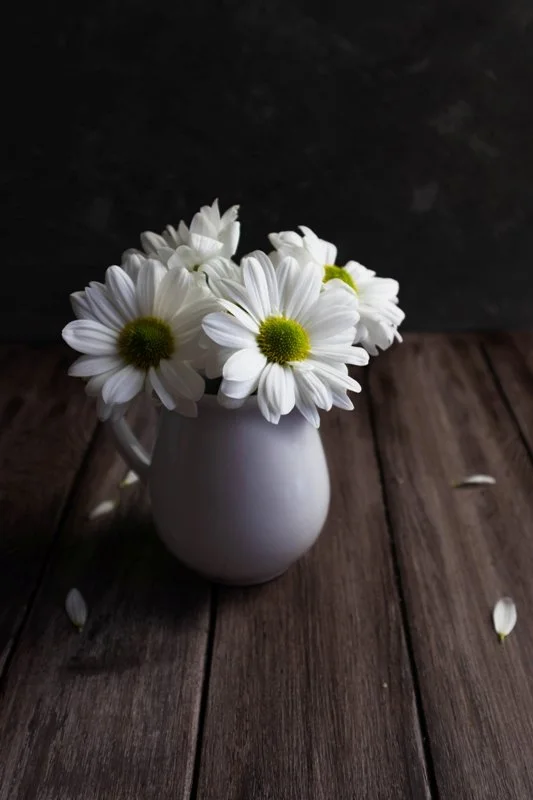
8. White Chrysanthemum
Yeah, it’s hard to spell (and say), but in Eastern cultures, white chrysanthemums represent lamentation and are used at memorials and farewells. In Japan they're a funeral flower. That context matters. If you're navigating a loss, a goodbye, or a regret tied to someone who's no longer around, white chrysanthemums carry that meaning in a way that other flowers simply don't. Not for everyday apologies. For the ones that sit heavier than that.
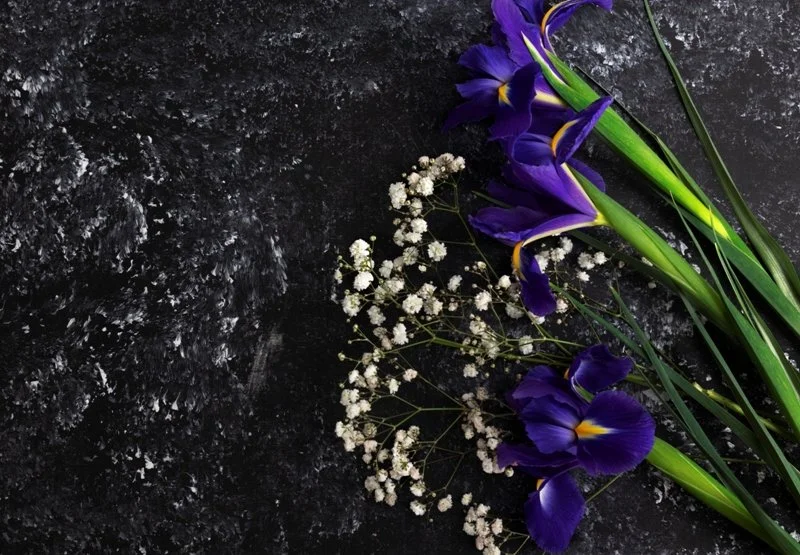
9. Purple Iris
The iris has long been associated with wisdom and reflection. The purple variety specifically carries themes of deep respect and thoughtfulness, the sense that you've actually sat with what happened rather than just reaching for the nearest way out of an awkward situation. Purple irises as apology flowers communicate that you took the situation seriously. In a world full of reflexive "sorrys" delivered via text message, that's not nothing.
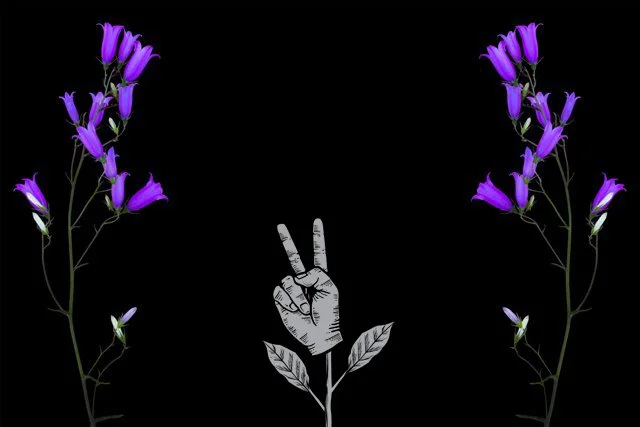
10. Bluebell
Bluebells represent humility and regret. They're a wildflower, woodland plants that grow in the quiet and the shade, which gives them a kind of unassuming quality that fits certain apologies perfectly. Not every sorry needs to arrive with fanfare. Sometimes the most genuine expression of regret is a modest one. Bluebells are for those moments. They say "I'm not trying to make this about me" in a way that's harder to fake than a dozen red roses.
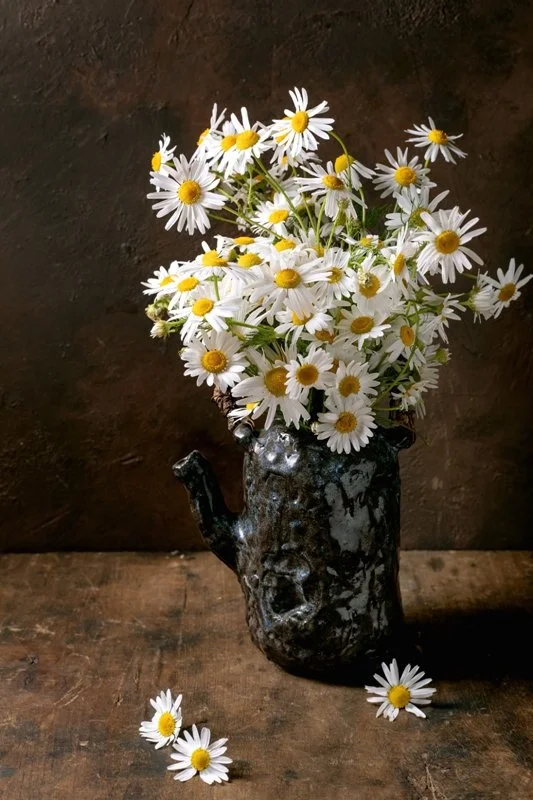
11. White Daisy
Daisies mean innocence and new beginnings, but in the context of regret they carry the specific meaning of wanting to start over. Apology flowers for a girlfriend or someone you want to reset with. They're fresh, they're approachable, and they don't carry the weight of something irreversible. Best for the category of mistake that's bad enough to require a gesture but not so catastrophic that showing up with cheerful white flowers seems tone-deaf.
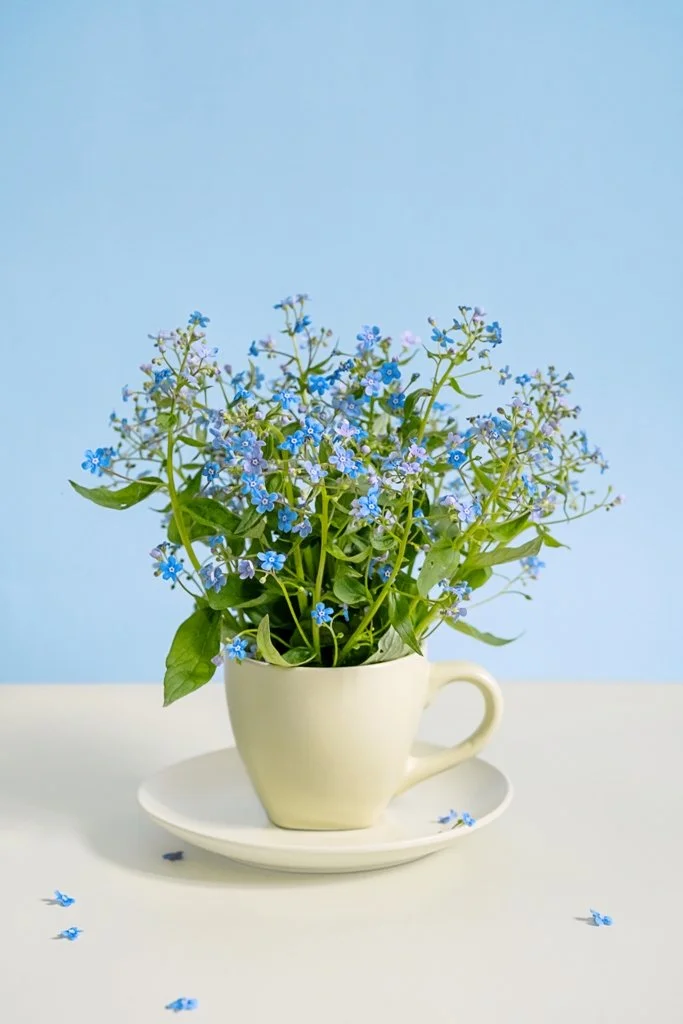
12. Forget-Me-Not
The name is doing most of the work here. Forget-me-nots are flowers of remembrance and, in the context of regret, the acknowledgment that you caused pain you haven't stopped thinking about. Small flowers, serious meaning. They're particularly good when the regret is about distance, a friendship that faded, a relationship that ended badly, a thing left unsaid for too long. The message is: I still think about it. I still think about you.
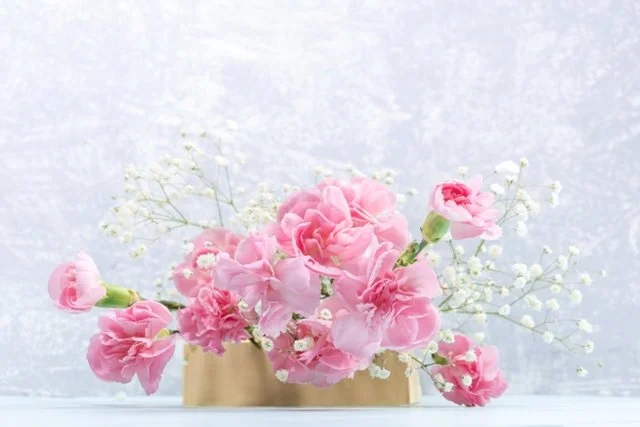
13. Pink Carnation
Pink carnations represent remembrance and a gentle kind of sorrow. They're not dramatic. They're not trying to win an argument or make a scene. They're soft, they smell good, and they communicate genuine feeling without overwhelming the room. Good apology flowers for situations where the goal is to create space for a conversation rather than to make a grand statement. Sometimes the quieter gesture lands harder anyway.
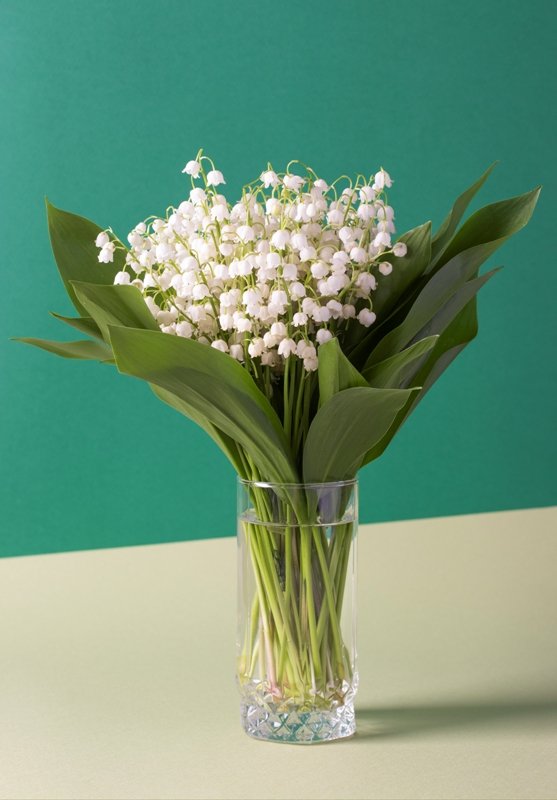
14. Lily of the Valley
Last on the list but not least. Lily of the valley symbolizes the return of happiness, which makes it the most forward-looking flower on this list. It acknowledges that something went wrong while also expressing the hope that things can be good again. It's a flower about the future as much as the past. If your regret comes with a genuine desire to repair something rather than just to feel less guilty, lily of the valley is the flower that says that. And for whatever it's worth, it's one of the most beautiful things you can bring someone. That helps too.
A Note on Actually Using These
Knowing which flowers symbolize regret is the starting point, not the finish line. The gesture matters. The meaning behind it matters more. And the conversation that happens after it matters most of all.
But you already knew that. You're here, aren't you.

Author Bio:

Roger Fugmen is the founder of Apology Flowers and has logged more hours in relationship recovery than he'd like to admit. He lives in the NY tri-state area, has strong opinions about couch cushions, and is currently doing fine. Probably.